

Finding the right balance in modern music production
Modern music production today is largely in the box (ITB)—meaning everything happens inside a computer, laptop, or even a mobile device. Digital Audio Workstations (DAWs), paired with third-party plugins and software synthesizers, have made it possible to create professional-quality music faster and more affordably than ever before.
This approach has clear advantages. ITB production offers speed, flexibility, portability, and recall. Ideas can be captured in minutes, full arrangements built quickly, and revisions made instantly. For many producers, especially independent artists, this workflow is not just convenient—it’s essential.
A Look Back: Hardware-Based Production
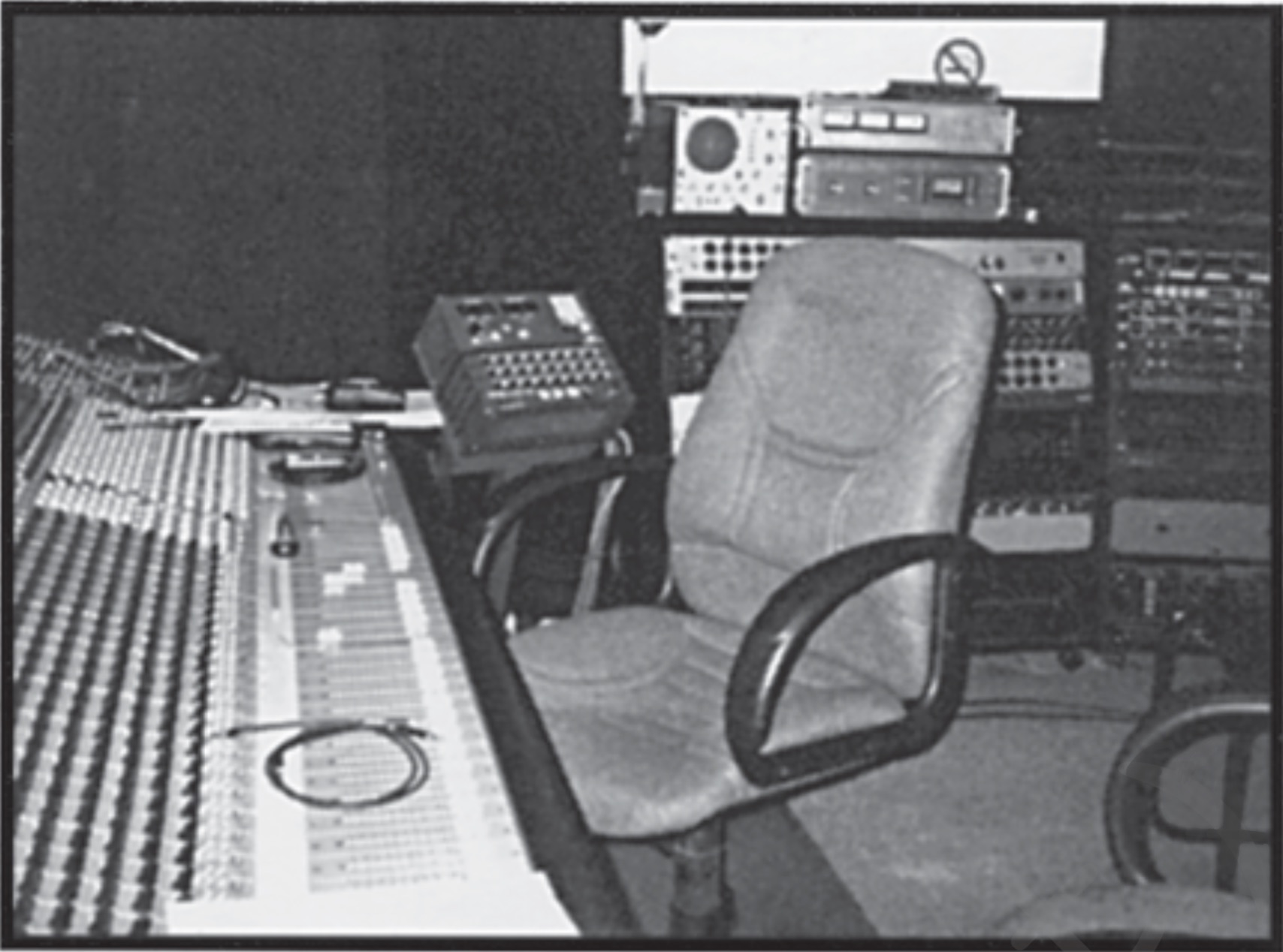
Before digital workflows became the norm, music production relied heavily on hardware synthesizers, drum machines, and sequencers. Tracks were often recorded to 8-track or 24-track tape machines after being routed through large mixing consoles.
While this process took longer from a technical standpoint, the creative process was deeply hands-on. Sounds passed through multiple stages:
Analog preamps on the console
Outboard compressors and EQs
Tape machines that added saturation, compression, and harmonic coloration
This entire signal path played a huge role in shaping what many people now describe as a “better” or more “organic” sound. Often, what we associate with classic analog tone isn’t just the instrument itself—it’s the process the sound went through.
Why Digital Sounds Different
Software synths and digital drum sounds live entirely inside the computer. By default, they are extremely clean and precise. While that clarity is powerful, it can sometimes lack the harmonic complexity created by analog circuits, transformers, and tape.
Some producers understand this distinction and intentionally recreate the analog process by sending sounds out of the DAW into:
Hardware preamps
Compressors or EQs
Guitar amps or re-amping chains
The processed signal is then recorded back into the DAW, sometimes blended with the original digital sound. This technique introduces subtle distortion, saturation, and depth that purely digital signals may lack.
The Hybrid Audio Setup: Best of Both Worlds
A hybrid production setup combines the efficiency of digital workflows with the sonic character of analog hardware. This approach allows producers and mix engineers to move quickly while still benefiting from external gear that enhances tone, depth, and musicality.
In a hybrid setup, the DAW remains the central hub for editing, automation, and recall, while select analog pieces—such as preamps, compressors, or saturation units—are used intentionally where they add the most value.
Planet Hum’s Production Philosophy
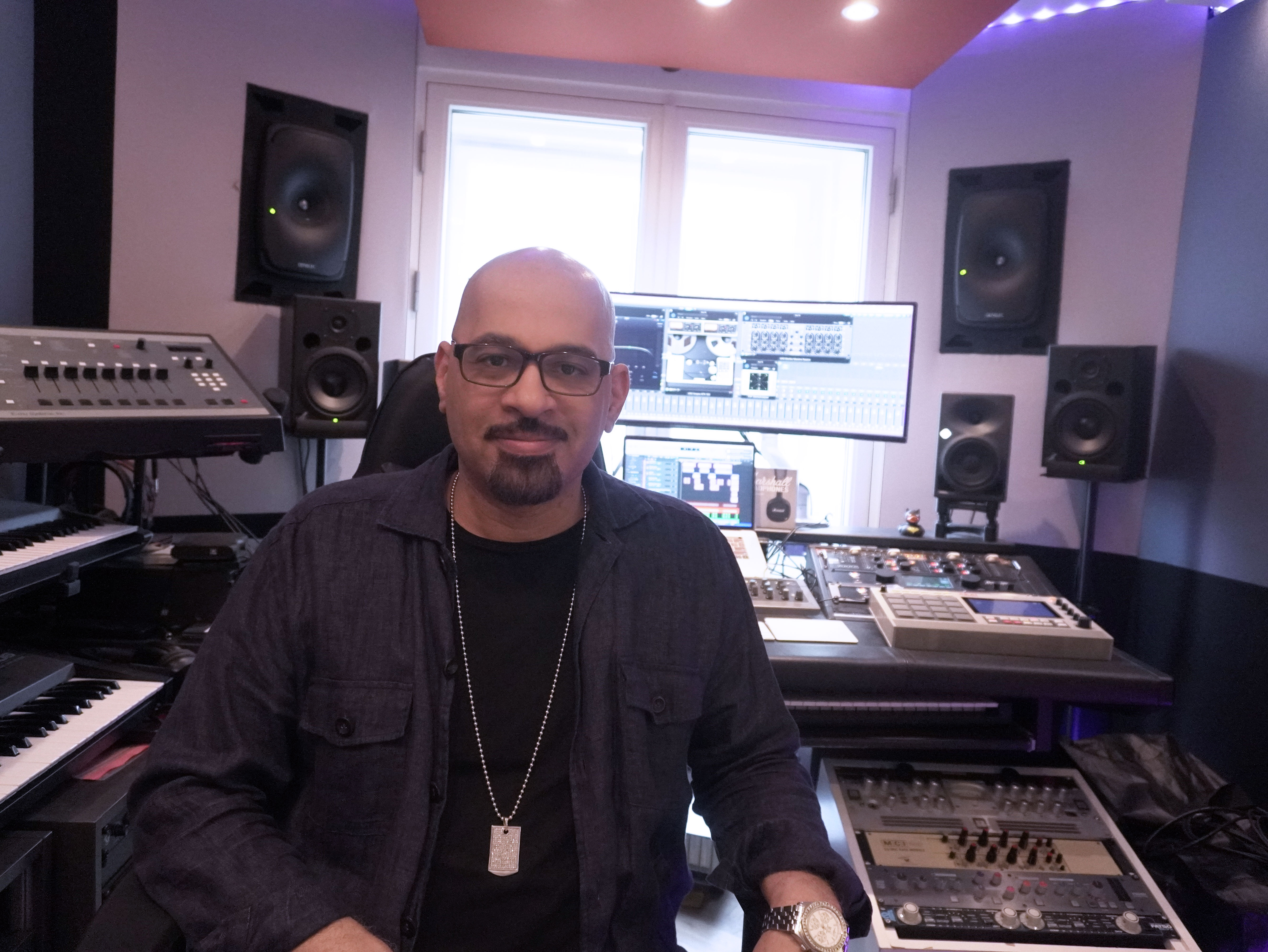
At Planet Hum, we believe digital production is paramount in today’s music industry. The speed and flexibility of modern tools empower artists to create without limits. However, incorporating a few carefully chosen analog pieces can dramatically elevate the quality of a production, mix, or master.
As David Anthony, a mix and mastering engineer with decades of experience, often emphasizes:
It’s not about analog versus digital—it’s about understanding the signal path and using the right tools to serve the music.
Final Thoughts
Whether you work fully in the box, fully outboard, or somewhere in between, the key is intentional workflow design. Understanding how sound is shaped—both digitally and analog—gives producers greater control over tone, emotion, and impact.
A hybrid audio setup isn’t about nostalgia. It’s about combining modern efficiency with timeless sound quality to create music that feels alive, polished, and expressive.